
Successfully aligning brand strategy with customer experience is crucial for sustained business growth. A cohesive approach ensures brand messaging resonates with customer needs, fostering loyalty and advocacy. This exploration delves into practical strategies and proven methods for achieving this critical alignment, examining key frameworks and real-world examples to provide a comprehensive understanding.
We will explore how to define both brand strategy and customer experience, discovering how to gather and utilize customer feedback to inform brand decisions. The process of building a customer-centric brand strategy, including the use of journey mapping, will be detailed. Finally, we’ll examine how to measure success and continuously improve the customer experience, ultimately enhancing brand equity and driving long-term value.
Defining Brand Strategy and Customer Experience
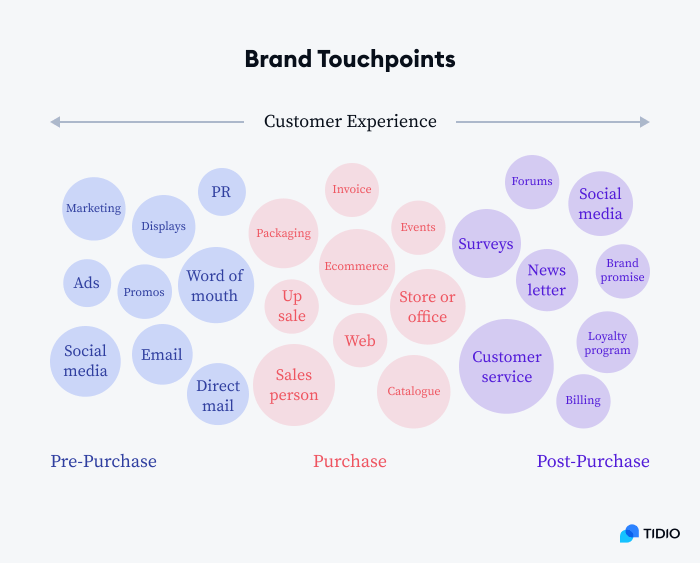
Aligning brand strategy with customer experience is crucial for sustainable business success. A well-defined brand strategy guides all customer-facing activities, ensuring consistency and resonance with the target audience. Conversely, a superior customer experience reinforces brand perception and drives loyalty. Understanding the core components of each is the first step towards effective integration.
Brand Strategy Components
A robust brand strategy encompasses several key elements working in synergy. These components ensure a cohesive brand identity and consistent messaging across all touchpoints. A clearly defined target audience, unique value proposition, brand personality, and visual identity are essential building blocks. Furthermore, a comprehensive brand strategy should Artikel long-term goals, marketing plans, and brand guidelines to maintain consistency.
Without a strong foundation in these areas, efforts to align with customer experience will be fragmented and ineffective.
Exceptional Customer Experience Elements
Exceptional customer experience goes beyond simply providing a product or service. It encompasses every interaction a customer has with a brand, from initial awareness to post-purchase support. Key elements include ease of access to information, personalized interactions, efficient and effective service, and proactive problem-solving. Building trust and fostering a sense of community are also crucial. Ultimately, exceptional customer experience aims to exceed customer expectations and create loyal advocates for the brand.
Customer Experience Management Approaches
Various approaches exist for managing customer experience, each with its strengths and weaknesses. A reactive approach focuses on addressing customer complaints and resolving issues as they arise. A proactive approach, however, anticipates customer needs and proactively addresses potential problems before they escalate. A data-driven approach leverages customer data to personalize experiences and optimize interactions. Finally, a human-centric approach prioritizes empathy and understanding in all interactions.
The optimal approach often involves a combination of these strategies tailored to the specific needs of the brand and its customers.
Brand Strategy Frameworks and Their Impact on Customer Experience
Different frameworks can guide the development of a brand strategy. The choice of framework impacts how a brand approaches customer experience. The following table compares several popular frameworks:
| Framework Name | Core Principles | Customer Experience Focus | Example Companies |
|---|---|---|---|
| Brand Positioning | Defining a unique and desirable position in the market relative to competitors. | Creating a customer experience that reinforces the brand’s unique value proposition. | Apple, Nike |
| Value Proposition Canvas | Mapping customer profiles with value maps to create a compelling offering. | Delivering a customer experience that directly addresses customer pains and gains. | Airbnb, Spotify |
| Brand Storytelling | Crafting a compelling narrative that resonates with the target audience. | Creating an immersive and emotionally engaging customer experience. | Dove, Patagonia |
| Customer Journey Mapping | Visualizing the customer’s interaction with the brand across all touchpoints. | Optimizing each touchpoint to create a seamless and positive customer experience. | Amazon, Disney |
Identifying Customer Needs and Brand Values
Understanding and aligning customer needs with brand values is crucial for building a successful and sustainable business. This involves a deep dive into customer feedback, a careful articulation of your brand’s core beliefs, and a thoughtful strategy for bridging the gap between the two. Only then can a truly resonant and effective customer experience be crafted.
This process requires a systematic approach, moving from data collection and analysis to the development of actionable strategies that integrate customer needs and brand values. A clear understanding of both is paramount to creating a brand that customers connect with on a meaningful level.
Methods for Gathering Customer Feedback
Gathering insightful customer feedback is essential for understanding their needs and preferences. This feedback forms the foundation upon which effective brand strategies are built. Several robust methods exist to achieve this.
Employing a variety of methods provides a comprehensive view, minimizing bias and ensuring a more accurate representation of customer sentiment.
- Surveys: Online surveys, both short and detailed, allow for broad data collection, easily quantifiable and analyzable. These can be targeted to specific customer segments for deeper insights.
- Focus Groups: Facilitated discussions with small groups of customers offer rich qualitative data, revealing underlying motivations and attitudes. The interactive nature allows for probing deeper into responses.
- Social Media Monitoring: Tracking brand mentions and conversations on social media platforms provides real-time feedback and identifies emerging trends and customer concerns. This allows for quick responses and proactive adjustments.
Translating Customer Insights into Actionable Brand Strategies
Once customer feedback is gathered, the next step is to translate these insights into tangible brand strategies. This requires careful analysis and interpretation of the data.
The translation process involves identifying patterns and themes within the feedback, prioritizing key needs and pain points, and aligning them with the brand’s capabilities and goals. This may involve adjusting existing strategies or developing entirely new ones.
For example, if customer feedback consistently highlights a need for faster customer service, the brand might invest in new technologies or training to improve response times and efficiency. If the feedback reveals a desire for more personalized experiences, the brand could implement targeted marketing campaigns or personalized product recommendations.
Defining and Articulating Core Brand Values
Clearly defined and articulated core brand values are essential for guiding all aspects of the business and ensuring consistency in customer interactions. These values should be authentic, reflecting the brand’s true nature and purpose.
Defining brand values involves identifying the principles and beliefs that underpin the brand’s mission and vision. This requires introspection and a clear understanding of the brand’s identity and aspirations. Once defined, these values must be communicated clearly and consistently to both internal teams and external customers.
For example, a brand might prioritize sustainability, innovation, and customer satisfaction as its core values. These values would then inform every decision made, from product development to marketing communications.
Visual Representation of Customer Needs and Brand Values Alignment
Imagine a Venn diagram. One circle represents “Customer Needs,” filled with s like “convenience,” “quality,” “trust,” and “value.” The other circle represents “Brand Values,” filled with s such as “innovation,” “integrity,” “sustainability,” and “customer focus.” The overlapping area, the largest portion of the diagram, is labeled “Aligned Brand Strategy,” containing s like “personalized service,” “reliable products,” and “ethical practices.” The size of the overlap emphasizes the significant synergy between customer needs and brand values, demonstrating a robust and effective brand strategy.
The visual clearly shows how addressing customer needs directly supports and reinforces the brand’s core values, creating a mutually beneficial relationship.
Developing a Customer-Centric Brand Strategy
Creating a customer-centric brand strategy is paramount for long-term success. It shifts the focus from internal brand perceptions to the external needs and desires of the customer, building loyalty and advocacy. This approach prioritizes understanding and meeting customer expectations at every touchpoint, resulting in a stronger brand identity and increased profitability.
Best Practices for Creating a Customer-Centric Brand Strategy
Implementing a customer-centric strategy requires a dedicated and multifaceted approach. The following best practices provide a framework for building a truly customer-focused brand.
- Prioritize Customer Feedback: Actively solicit and analyze customer feedback through surveys, reviews, social media monitoring, and focus groups. This provides invaluable insights into customer pain points, preferences, and unmet needs.
- Emphasize Empathy and Understanding: Develop a deep understanding of your target audience’s demographics, psychographics, motivations, and frustrations. Use this understanding to tailor your products, services, and communications to resonate with their specific needs.
- Create a Seamless Customer Journey: Design a cohesive and effortless customer experience across all touchpoints, from initial awareness to post-purchase engagement. This includes optimizing website usability, streamlining the purchasing process, and providing excellent customer service.
- Empower Employees to Deliver Exceptional Service: Equip your employees with the tools, training, and autonomy they need to provide exceptional customer service. A positive employee experience directly translates to a positive customer experience.
- Continuously Monitor and Adapt: Regularly track key customer experience metrics (e.g., customer satisfaction, Net Promoter Score, customer churn rate) and use this data to identify areas for improvement and adapt your strategy accordingly. The customer experience is not static; it requires ongoing attention and refinement.
Examples of Brands with Successful Customer Experience Integration
Several brands have demonstrated the power of integrating customer experience into their overall strategy. Their success highlights the importance of a customer-centric approach.
- Apple: Known for its sleek design and intuitive user interfaces, Apple prioritizes ease of use and seamless integration across its product ecosystem. Their retail stores are designed to create a welcoming and helpful environment for customers.
- Amazon: Amazon excels at personalization and convenience. Their recommendation engine, one-click purchasing, and robust customer service contribute to a highly positive customer experience. Their focus on logistics and delivery speed further enhances customer satisfaction.
- Netflix: Netflix uses data-driven personalization to recommend shows and movies tailored to individual preferences. Their intuitive interface and vast content library contribute to a highly engaging and enjoyable user experience.
Using Customer Journey Mapping to Identify Areas for Improvement
Customer journey mapping is a powerful tool for visualizing the customer experience from beginning to end. It helps identify pain points, areas of friction, and opportunities for improvement.
- Define your customer personas: Create detailed profiles of your ideal customers, outlining their demographics, needs, and motivations.
- Map the customer journey: Chart the various stages of the customer experience, from initial awareness to post-purchase engagement. Include all touchpoints, both online and offline.
- Identify pain points: Analyze the journey map to identify areas where customers encounter friction or frustration.
- Develop solutions: Brainstorm and implement solutions to address the identified pain points.
- Test and iterate: Continuously test and refine your solutions based on customer feedback and performance data.
Implementing a Customer-Centric Brand Strategy: A Step-by-Step Guide
Successfully implementing a customer-centric brand strategy requires a structured and phased approach.
- Conduct thorough customer research: Gather data on customer needs, preferences, and pain points through surveys, interviews, and focus groups.
- Define your brand values and mission statement: Ensure your brand values align with your customers’ needs and expectations.
- Develop a customer journey map: Visualize the customer experience and identify areas for improvement.
- Create a customer-centric service model: Define processes and systems that prioritize customer needs and satisfaction.
- Empower your employees: Provide training and tools to enable employees to deliver exceptional customer service.
- Implement feedback mechanisms: Establish systems for collecting and responding to customer feedback.
- Continuously monitor and improve: Regularly track key metrics and make adjustments to your strategy based on performance data.
Measuring and Improving Customer Experience
Successfully aligning brand strategy with customer experience requires a robust system for measuring and improving that experience. Understanding customer satisfaction and loyalty is not simply about gathering feedback; it’s about using that feedback to drive meaningful changes and enhance the overall customer journey. This involves implementing effective tracking methods, analyzing data, and proactively addressing pain points to foster loyalty and positive brand perception.
Customer Satisfaction and Loyalty Metrics
Measuring customer satisfaction and loyalty involves employing a variety of metrics to gain a holistic understanding of customer sentiment. These metrics provide quantifiable data that can be tracked over time to monitor progress and identify areas for improvement. Key metrics include Customer Satisfaction Score (CSAT), Net Promoter Score (NPS), and Customer Effort Score (CES). CSAT directly asks customers to rate their satisfaction, while NPS gauges the likelihood of customers recommending the brand.
CES measures the ease of interacting with the brand. By analyzing these scores in conjunction with qualitative feedback, businesses can build a comprehensive picture of their customer experience. For example, a high CSAT score coupled with a low NPS might indicate that customers are satisfied with individual interactions but are hesitant to recommend the brand due to broader issues, such as pricing or overall value proposition.
Tracking and Analyzing Customer Feedback
Tracking and analyzing customer feedback across various touchpoints—from website interactions and social media comments to in-person surveys and support tickets—is crucial. This involves utilizing a variety of tools and techniques. Web analytics platforms provide insights into website navigation and user behavior, identifying areas of friction or confusion. Social media monitoring tools can track brand mentions and sentiment analysis, allowing businesses to address concerns and proactively engage with customers.
Customer relationship management (CRM) systems can centralize customer interactions, providing a unified view of each customer’s journey. Analyzing this diverse data requires a multi-faceted approach, combining quantitative analysis of metrics with qualitative analysis of open-ended feedback to gain a nuanced understanding of the customer experience. For instance, a significant drop in website conversion rates coupled with numerous negative comments on social media regarding the checkout process would clearly point to a need for improvements in that specific area.
Proactive Identification and Addressing of Customer Pain Points
Proactively identifying and addressing customer pain points is key to improving customer experience. This involves employing a combination of data-driven insights and proactive listening. Analyzing customer feedback, both positive and negative, can pinpoint recurring issues or areas of frustration. Regularly reviewing customer service interactions can highlight common problems and areas where processes need improvement. Employing customer journey mapping techniques can visually represent the entire customer experience, highlighting potential pain points and opportunities for improvement.
For example, if numerous customers complain about slow shipping times, the company can investigate logistics, potentially implementing improvements such as faster shipping options or more transparent tracking systems.
Actionable Steps for Improving Customer Experience
To effectively improve the customer experience based on data analysis, a structured approach is necessary. The following steps provide a roadmap for action:
- Prioritize Issues: Focus on addressing the most critical pain points first, based on their impact on customer satisfaction and loyalty.
- Develop Actionable Solutions: Translate identified problems into concrete solutions, involving relevant departments and stakeholders.
- Implement Changes: Roll out solutions systematically, testing and iterating based on feedback.
- Monitor and Measure: Track key metrics to assess the impact of changes and identify areas for further improvement. This cyclical process ensures continuous refinement of the customer experience.
- Gather Feedback Continuously: Maintain open communication channels and actively solicit customer feedback to ensure ongoing improvement.
Brand Equity, Brand Strategy, and Brand Management Interplay
Brand equity, brand strategy, and brand management are intricately linked, forming a synergistic relationship that drives business success. A strong brand strategy directly influences the development of brand equity, which is then nurtured and maintained through effective brand management practices. Understanding this interplay is crucial for creating a consistently positive customer experience.Brand equity, the overall value of a brand, is significantly influenced by customer experience.
Positive experiences foster loyalty, positive word-of-mouth referrals, and ultimately, a higher perceived value of the brand. Conversely, negative experiences can erode brand equity, leading to customer churn and reputational damage. This relationship highlights the importance of integrating customer experience into every aspect of brand strategy and management.
The Impact of Brand Strategy on Brand Management
Brand strategy acts as the blueprint for all brand management activities. It defines the target audience, brand positioning, brand values, and the overall brand promise. This strategic direction guides marketing campaigns, product development, customer service initiatives, and all other brand-related actions. A well-defined brand strategy ensures consistency in messaging, experiences, and interactions, fostering a cohesive brand identity that resonates with customers.
For example, a brand strategy focused on sustainability will guide marketing campaigns to highlight eco-friendly practices, product development to prioritize sustainable materials, and customer service to emphasize ethical sourcing and responsible consumption. Without a clear strategy, brand management efforts become fragmented and ineffective.
Departmental Roles in Building and Maintaining Brand Equity
Different departments play distinct but interconnected roles in building and maintaining brand equity.
- Marketing: The marketing department is responsible for shaping brand perception through targeted campaigns, consistent messaging, and effective communication strategies. They directly influence brand equity by creating compelling narratives and building brand awareness.
- Sales: The sales team acts as the direct interface between the brand and the customer. Their interactions, product knowledge, and customer service skills directly impact customer perception and brand loyalty. A sales team that consistently delivers on the brand promise strengthens brand equity.
- Customer Service: Customer service plays a critical role in managing customer relationships and resolving issues. Excellent customer service can turn negative experiences into positive ones, mitigating potential damage to brand equity. Conversely, poor customer service can quickly erode trust and damage the brand’s reputation.
Effective collaboration between these departments is essential. For instance, marketing materials should align with sales processes and customer service protocols to ensure a unified brand experience.
Successful Brand Management Practices Enhancing Customer Experience
Successful brand management translates directly into improved customer experience. Consider these examples:
- Personalized Experiences: Utilizing data to personalize marketing messages, product recommendations, and customer service interactions creates a sense of value and connection, fostering loyalty and positive brand perception. For example, a retailer using purchase history to recommend relevant products demonstrates an understanding of customer preferences, leading to a more satisfying shopping experience.
- Proactive Communication: Regular communication keeps customers informed and engaged. This could involve newsletters, social media updates, or proactive responses to customer inquiries. Proactive communication demonstrates that the brand values its customers and fosters a sense of community.
- Consistent Brand Messaging: Maintaining a consistent brand voice and message across all channels ensures a unified brand experience. Inconsistency can confuse customers and damage brand credibility. For example, a brand promising high-quality products should ensure that all marketing materials, product descriptions, and customer service interactions reflect this commitment.
These practices, guided by a robust brand strategy, contribute to a positive customer experience and, ultimately, the long-term growth of brand equity.
Case Studies
Successful alignment of brand strategy and customer experience isn’t just theoretical; it’s demonstrably achievable. Many companies have reaped significant rewards by prioritizing a customer-centric approach. Examining real-world examples provides valuable insights into effective strategies and their impact. The following case studies illustrate diverse approaches to this critical alignment.
The following sections detail three case studies showcasing successful brand strategy and customer experience alignment. Each example highlights the company’s approach, the resulting improvements, and key lessons learned.
Apple’s Focus on Seamless User Experience
Apple consistently demonstrates a masterful alignment of brand strategy and customer experience. Their brand is synonymous with premium design, intuitive technology, and exceptional customer service.
- Approach: Apple’s strategy centers on creating a holistic ecosystem. This includes seamlessly integrating hardware, software, and services, fostering a user-friendly experience across all touchpoints. Their retail stores are designed to be welcoming and provide personalized assistance, enhancing the overall customer journey.
- Results: Apple boasts incredibly high customer loyalty and brand advocacy. Their premium pricing strategy is justified by the perceived value and positive customer experience, resulting in consistently high profit margins and market dominance.
- Key Takeaways: A cohesive brand experience across all channels is crucial. Investing in exceptional customer service and creating a seamless user journey strengthens brand loyalty and justifies premium pricing.
Netflix’s Personalized Recommendation Engine
Netflix’s success story is largely attributed to its data-driven approach to understanding and catering to individual customer preferences.
- Approach: Netflix utilizes sophisticated algorithms to analyze viewing habits and provide personalized recommendations. This highly personalized experience keeps users engaged and increases content consumption.
- Results: Netflix has achieved remarkable subscriber growth and global market leadership. Their personalized recommendations significantly reduce user churn and increase the average viewing time per user.
- Key Takeaways: Data-driven insights are invaluable for understanding customer preferences. Personalized experiences foster engagement and loyalty, leading to increased customer lifetime value.
Zappos’s Commitment to Exceptional Customer Service
Zappos has built its brand around exceptional customer service, demonstrating that prioritizing customer experience can be a powerful differentiator.
- Approach: Zappos invests heavily in employee training and empowerment, enabling them to resolve customer issues effectively and efficiently. Their generous return policy and proactive communication further enhance the customer experience.
- Results: Zappos has cultivated a loyal customer base and built a strong brand reputation for exceptional service. This positive brand perception has translated into increased customer acquisition and retention.
- Key Takeaways: Exceptional customer service can be a significant competitive advantage. Investing in employee training and empowering employees to resolve customer issues builds brand loyalty and enhances the overall customer experience.
Summary of Key Learnings
The following table summarizes the key takeaways from the case studies, highlighting the strategies employed, their impact on customer experience, and the overall success achieved.
| Company Name | Strategy Implemented | Customer Experience Impact | Overall Success |
|---|---|---|---|
| Apple | Seamless ecosystem integration, premium retail experience | High customer loyalty, brand advocacy | Market dominance, high profit margins |
| Netflix | Personalized recommendation engine | Increased engagement, reduced churn | Global market leadership, subscriber growth |
| Zappos | Exceptional customer service, generous return policy | Strong brand reputation, increased customer loyalty | High customer retention, positive brand perception |
By strategically integrating customer feedback, meticulously defining brand values, and implementing a customer-centric approach, businesses can achieve a powerful alignment between brand strategy and customer experience. This synergy fosters brand loyalty, strengthens brand equity, and ultimately drives sustainable business growth. Remember that consistent monitoring and adaptation are key to maintaining this crucial balance and achieving lasting success.
General Inquiries
What is the difference between brand strategy and customer experience?
Brand strategy Artikels the overall vision, messaging, and positioning of a brand. Customer experience encompasses all interactions a customer has with a brand, influencing their perception and loyalty.
How can I measure the effectiveness of my customer-centric strategy?
Utilize key performance indicators (KPIs) like customer satisfaction (CSAT) scores, Net Promoter Score (NPS), customer lifetime value (CLTV), and customer churn rate. Analyze customer feedback across various touchpoints to identify areas for improvement.
What if my brand values conflict with customer needs?
This requires careful consideration and potentially adjusting either your brand values or your target audience. Understanding the root cause of the conflict is crucial for finding a sustainable solution that aligns both.
How can I ensure all departments are aligned on customer experience?
Establish clear communication channels, shared goals, and regular cross-departmental meetings focused on customer experience. Training and ongoing education for all staff on the importance of CX is essential.


