
In today’s saturated marketplace, a robust brand differentiation strategy is no longer a luxury but a necessity for survival. Successfully distinguishing your brand requires a deep understanding of your target audience, a compelling value proposition, and consistent messaging across all touchpoints. This guide explores the key elements of crafting and implementing a winning brand differentiation strategy, from competitive analysis to measuring success and fostering innovation.
We will delve into practical examples, hypothetical scenarios, and actionable steps to help you navigate the complexities of building a unique and memorable brand identity. Understanding how to effectively communicate your brand’s unique value proposition and leverage various marketing channels will be crucial in standing out from the competition and achieving sustainable growth.
Defining Brand Differentiation Strategy
A brand differentiation strategy is the blueprint a company uses to stand out from its competitors. It’s about crafting a unique brand identity and offering that resonates with a specific target audience, ultimately driving sales and loyalty. A well-defined strategy goes beyond simply listing features; it articulates the brand’s core values, personality, and unique selling proposition (USP), ensuring it occupies a distinct space in the consumer’s mind.A successful brand differentiation strategy hinges on several core components.
First, a thorough understanding of the target market is crucial. Who are your ideal customers? What are their needs, desires, and pain points? Second, a compelling brand story needs to be developed, communicating the brand’s purpose, values, and unique selling proposition in a memorable and engaging way. Third, consistent brand messaging across all touchpoints—from website and social media to packaging and customer service—is essential to reinforce the brand’s identity and build trust.
Finally, a strong brand identity, including visual elements like logo, color palette, and typography, needs to be created to visually represent the brand’s personality and values.
Examples of Companies with Strong Brand Differentiation
Several companies have successfully differentiated their brands through unique approaches. Apple, for instance, cultivates a premium brand image centered on design, simplicity, and user experience. Their marketing emphasizes seamless integration across their product ecosystem and a focus on minimalist aesthetics, creating a strong sense of brand loyalty among its customers. Conversely, Nike’s brand differentiation centers on athletic performance and empowerment.
Their marketing campaigns often feature inspirational athletes and focus on pushing boundaries, resonating with consumers who value achievement and self-improvement. Finally, Dove, with its “Real Beauty” campaign, successfully differentiated itself by focusing on body positivity and inclusivity, creating a strong connection with a female audience that felt underrepresented by traditional beauty standards. These examples highlight the diverse approaches that can be used to achieve successful brand differentiation.
Hypothetical Brand Differentiation Strategy for a Sustainable Coffee Shop
Let’s consider a new coffee shop aiming for differentiation through sustainability. The brand, “Bean There, Grown Green,” will focus on ethically sourced, organic coffee beans, minimizing its environmental footprint. Its brand story will emphasize its commitment to fair trade practices, supporting farmers and preserving biodiversity. The shop’s interior design will utilize reclaimed materials, promoting a rustic yet modern aesthetic.
Marketing materials will highlight the shop’s commitment to sustainability, showcasing its eco-friendly practices and partnerships with environmental organizations. Packaging will be compostable or recyclable, reinforcing the brand’s commitment to minimizing waste. The customer experience will focus on creating a welcoming and community-oriented atmosphere, promoting social responsibility alongside environmental consciousness. “Bean There, Grown Green” will differentiate itself not only through its product but also through its overall brand ethos and commitment to environmental sustainability, resonating with environmentally conscious consumers.
Competitive Analysis for Differentiation
Understanding how competitors differentiate themselves is crucial for developing a successful brand differentiation strategy. By analyzing their strengths and weaknesses, a new brand can identify opportunities to carve out a unique position in the market and avoid direct competition. This involves not only examining their product offerings but also understanding their marketing and branding strategies.Competitive analysis helps to identify market gaps and unmet consumer needs, informing the development of a compelling value proposition.
A robust analysis should consider factors such as pricing, target audience, distribution channels, and overall brand perception. This allows for a strategic approach to differentiation, maximizing the chances of success.
Comparison of Nike and Adidas Differentiation Strategies
Nike and Adidas, two giants in the athletic apparel industry, employ distinct brand differentiation strategies. Nike emphasizes innovation and performance, often associating itself with elite athletes and cutting-edge technology. Their marketing campaigns frequently showcase groundbreaking products and athlete endorsements, projecting an image of cutting-edge athletic achievement. Adidas, conversely, focuses on a more inclusive and stylish approach, often collaborating with fashion designers and celebrities to create trendsetting apparel and footwear.
Their brand messaging frequently highlights self-expression and creativity, attracting a broader consumer base beyond just professional athletes. This difference in approach allows both brands to successfully coexist and cater to different segments within the market.
Key Differentiators for a New Skincare Brand
Three key differentiators that could set a new skincare brand apart from established competitors are: a unique and sustainable ingredient sourcing strategy, a hyper-personalized approach to skincare solutions, and a commitment to transparent and ethical manufacturing practices. Focusing on sustainably sourced, ethically harvested ingredients allows the brand to appeal to the growing number of environmentally and socially conscious consumers.
Offering personalized skincare regimens based on individual skin analyses, using advanced technology, allows for a customized and effective approach, exceeding the typical one-size-fits-all approach of many competitors. Finally, complete transparency regarding ingredients, manufacturing processes, and ethical sourcing practices builds trust and fosters loyalty with consumers who increasingly value transparency and accountability.
Examples of Successful Brand Repositioning Through Differentiation
Dove’s successful repositioning from a simple soap brand to a champion of body positivity illustrates the power of differentiation. By shifting their focus from solely promoting beauty to embracing real women and celebrating body diversity, Dove significantly broadened their appeal and cultivated a strong brand loyalty amongst a more inclusive consumer base. Similarly, Old Spice, initially targeting an older demographic, successfully repositioned itself through humorous and irreverent marketing campaigns, attracting a much younger audience and revitalizing its brand image.
These examples demonstrate that successful repositioning hinges on a thorough understanding of market trends, consumer needs, and the creation of a compelling and unique brand narrative that resonates with the target audience.
Target Audience and Brand Positioning
Understanding your target audience is paramount in crafting a successful brand differentiation strategy. A clearly defined target audience allows for focused messaging, resource allocation, and the creation of a brand identity that resonates deeply with the intended consumer group. Without this understanding, marketing efforts become diffuse and less effective, hindering the ability to stand out from competitors. Essentially, knowing your audience dictates every aspect of your brand’s personality and its communication style.Knowing your target audience allows you to tailor your brand differentiation strategy to their specific needs and preferences.
This targeted approach maximizes the impact of your marketing efforts and ensures that your message resonates with the people most likely to become loyal customers. Ignoring this crucial element risks creating a brand that lacks appeal and struggles to gain traction in a competitive marketplace.
Target Customer Persona: The Eco-Conscious Urbanite
Sarah is a 32-year-old marketing professional living in a major metropolitan area. She is highly educated, earning a comfortable salary, and values sustainability and ethical consumption. Sarah is active on social media, particularly Instagram and Pinterest, where she follows brands and influencers promoting eco-friendly products and lifestyles. She is environmentally conscious, prioritizing brands that demonstrate a commitment to sustainability through transparent sourcing, ethical labor practices, and minimal environmental impact.
She is willing to pay a premium for products that align with her values. Sarah is influenced by online reviews and recommendations from trusted sources, and she seeks brands that communicate authenticity and transparency. Her brand messaging preferences include visually appealing content that highlights the product’s sustainable attributes and ethical production processes. She responds well to stories that showcase the positive impact of her purchasing choices on the environment and society.
SWOT Analysis for Brand Positioning
A SWOT analysis is a valuable tool for evaluating brand positioning and identifying differentiation opportunities. This analysis helps to identify strengths and weaknesses within the brand itself, while simultaneously assessing external opportunities and threats within the market. This framework provides a comprehensive overview to inform strategic decision-making, ultimately leading to more effective brand differentiation.
| Strengths | Weaknesses |
|---|---|
| Strong brand reputation for quality | Limited brand awareness in new target markets |
| Unique product features and innovation | High production costs compared to competitors |
| Established distribution network | Outdated brand image |
| Opportunities | Threats |
| Expanding into new, underserved markets | Increasing competition from established brands |
| Partnerships with complementary brands | Fluctuating raw material prices |
| Leveraging social media for brand building | Changing consumer preferences and trends |
This SWOT analysis, for example, highlights opportunities for a brand to leverage its strong reputation and unique product features to expand into new markets, while addressing weaknesses such as limited brand awareness and high production costs through strategic partnerships and cost-optimization strategies. The analysis also identifies potential threats, such as increasing competition and fluctuating raw material prices, which can be mitigated through proactive planning and adaptation.
Value Proposition and Unique Selling Proposition (USP)
Crafting a compelling value proposition and a unique selling proposition (USP) are crucial steps in establishing a strong brand identity and achieving differentiation in a competitive market. A well-defined value proposition clearly articulates the benefits customers receive from choosing your brand over alternatives, while a USP highlights what makes your brand uniquely superior. These two elements work synergistically to attract and retain customers.A strong value proposition goes beyond simply listing product features; it focuses on the tangible and intangible benefits customers gain.
It addresses the customer’s needs and desires, demonstrating how your brand solves their problems or improves their lives. Developing a compelling value proposition requires a thorough understanding of your target audience, their pain points, and their aspirations. This understanding, combined with a clear articulation of your brand’s unique strengths, forms the foundation of a persuasive value proposition.
Defining a Compelling Value Proposition
Creating a compelling value proposition involves a systematic approach. First, conduct thorough market research to understand your target audience’s needs and preferences. Identify the key problems your product or service solves and the benefits it provides. Next, articulate these benefits in a clear, concise, and persuasive manner. Highlight what sets your brand apart from competitors and focus on the emotional connection with the customer, emphasizing the value proposition’s impact on their lives.
Finally, test and refine your value proposition based on customer feedback and market response. A successful value proposition resonates with the target audience, making it easy for them to understand and appreciate the brand’s unique offering.
Developing a Unique Selling Proposition (USP) for an Eco-Friendly Clothing Line
Let’s consider a new eco-friendly clothing line. A strong USP could focus on the sustainability aspect, emphasizing the use of organic, recycled, or sustainably sourced materials. For example, a USP could be: “Ethically made clothing crafted from 100% recycled materials, reducing textile waste and minimizing our environmental impact.” This statement is concise, memorable, and directly addresses a growing consumer concern about environmental responsibility.
Alternatively, the USP could focus on a specific manufacturing process, like a zero-waste pattern cutting technique, minimizing material waste and showcasing a commitment to responsible production. A third option might highlight a social impact, such as fair trade practices ensuring ethical treatment of workers throughout the supply chain. The chosen USP should be authentic and reflect the brand’s genuine commitment to sustainability.
The Contribution of a Strong Value Proposition to Brand Loyalty and Customer Retention
A strong value proposition directly contributes to brand loyalty and customer retention by building trust and fostering a strong customer-brand relationship. When customers perceive genuine value in a brand’s offering, they are more likely to remain loyal and become repeat purchasers. A well-articulated value proposition clearly communicates the brand’s commitment to delivering on its promises, creating a sense of reliability and dependability.
This, in turn, fosters customer trust, a crucial element in building long-term relationships. For example, a company known for its commitment to sustainable practices might see increased loyalty from environmentally conscious consumers who appreciate the brand’s alignment with their values. Furthermore, a strong value proposition can differentiate a brand from competitors, reducing the likelihood of customers switching to alternatives.
By consistently delivering on its value proposition, a brand strengthens its reputation and reinforces customer loyalty, ultimately leading to increased customer retention and business success.
Brand Messaging and Communication
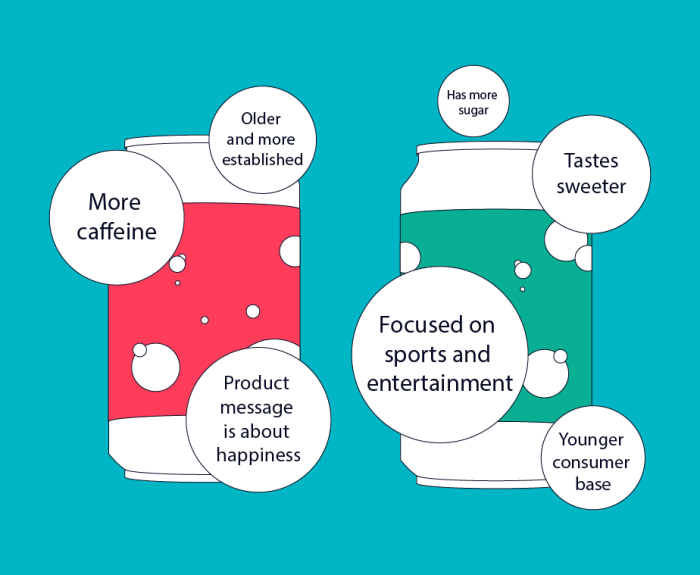
Effective brand messaging is crucial for solidifying a company’s differentiated position in the market. It’s about consistently communicating the unique value proposition in a way that resonates with the target audience, fostering brand loyalty and driving sales. This involves crafting a clear and concise brand voice, selecting the appropriate communication channels, and ensuring a consistent message across all touchpoints.Successful brand messaging goes beyond simply stating features; it highlights the benefits and emotional connection a customer experiences.
It speaks directly to the customer’s needs and desires, showcasing how the brand solves their problems or improves their lives. This approach builds trust and encourages engagement.
Examples of Effective Brand Messaging
Several companies excel at communicating their unique value propositions through concise and impactful messaging. Consider Apple’s focus on simplicity and elegance, consistently conveyed through their minimalist designs and user-friendly interfaces. Their messaging isn’t about technical specifications; it’s about the seamless experience and intuitive design that enhances the user’s life. Similarly, Nike’s messaging centers around empowerment and achieving personal greatness, inspiring customers through motivational campaigns and celebrity endorsements.
Their focus is less on the technical aspects of their products and more on the aspirational lifestyle they represent. Finally, Dove’s focus on real beauty and body positivity has resonated deeply with its target audience, fostering a strong sense of community and loyalty. Their messaging challenges conventional beauty standards and celebrates diversity, creating a powerful emotional connection with consumers.
Social Media Posts for a Fictional Tech Startup
Let’s imagine a fictional tech startup called “Synapse,” which offers a revolutionary AI-powered project management tool that significantly reduces project completion times and improves team collaboration. Here are some example social media posts highlighting Synapse’s key differentiators:
- Post 1 (Image: A visually appealing graphic showing a streamlined workflow): “Stop wasting time on endless meetings and email chains! Synapse’s AI-powered project management streamlines your workflow, saving you hours each week. #projectmanagement #AI #productivity #efficiency”
- Post 2 (Image: A short video testimonial from a satisfied customer): “Hear from [Customer Name], whose team increased project completion speed by 40% using Synapse! Discover how our AI can transform your team’s productivity. #teamwork #AI #results #caseStudy”
- Post 3 (Image: An infographic showcasing key features and benefits): “Unlock seamless team collaboration with Synapse! Our AI-powered features include real-time task management, automated reporting, and intelligent resource allocation. Learn more: [link to website] #collaboration #AI #innovation #technology”
These posts utilize visuals, compelling language, and relevant hashtags to effectively communicate Synapse’s unique value proposition across various social media platforms.
Utilizing Communication Channels for Brand Differentiation
Different communication channels offer unique opportunities to amplify brand differentiation. For example, a company might leverage email marketing for targeted campaigns, building relationships with specific customer segments and delivering personalized messages. Content marketing, through blog posts, articles, and white papers, can establish thought leadership and showcase expertise, further solidifying the brand’s unique position in the market. Social media platforms are ideal for engaging with customers directly, building community, and sharing user-generated content that reinforces the brand’s message.
Public relations and media outreach can amplify the brand’s voice to a wider audience, creating positive media coverage and enhancing brand reputation. Finally, events and sponsorships can provide opportunities for face-to-face interaction, building brand awareness and fostering stronger customer relationships. A well-integrated multi-channel strategy is key to achieving maximum impact.
Brand Equity and Brand Strategy
Brand equity and a successful brand differentiation strategy are inextricably linked. A strong brand, differentiated from competitors, inherently possesses high brand equity – the value a brand holds beyond its tangible assets. This value is built upon consumer perception, loyalty, and trust, all of which are directly influenced by a well-executed differentiation strategy. Without differentiation, a brand struggles to stand out, leading to lower brand equity and reduced market competitiveness.A well-defined differentiation strategy lays the groundwork for building strong brand equity.
It provides a clear roadmap for communicating the brand’s unique value proposition and creating a consistent customer experience. This consistency reinforces positive perceptions and fosters customer loyalty, which are key components of high brand equity. Conversely, a lack of consistency can erode brand equity, creating confusion and weakening the brand’s position in the market.
Building Brand Equity Through Consistent Messaging and Customer Experience
Building strong brand equity requires a multi-faceted approach focusing on consistent messaging and exceptional customer experiences. This means delivering a unified brand message across all touchpoints – from advertising and social media to customer service interactions and product packaging. Inconsistency in messaging dilutes the brand’s identity and confuses consumers. Simultaneously, providing consistently positive and memorable customer experiences reinforces the brand’s value proposition and fosters loyalty.
For example, a luxury car brand might maintain its image through sophisticated advertising campaigns, high-quality materials in its vehicles, and exceptional after-sales service. This consistency across all touchpoints reinforces the perception of luxury and builds strong brand equity.
Brand Management’s Role in Maintaining and Enhancing Brand Differentiation
Brand management plays a crucial role in maintaining and enhancing brand differentiation over time. This involves actively monitoring the competitive landscape, adapting the brand strategy to changing market dynamics, and consistently evaluating customer feedback. Proactive brand management ensures the brand remains relevant and competitive, preventing its differentiation from becoming obsolete or diluted. For instance, a company might conduct regular market research to understand evolving consumer preferences and adapt its product offerings and marketing messages accordingly.
They might also invest in innovation to maintain a competitive edge and continue to offer unique value to its customers. Furthermore, effective brand management involves crisis management, which is crucial in mitigating any negative impact on brand perception and equity that might arise from unexpected events. A swift and transparent response to a crisis can help safeguard brand reputation and loyalty.
Measuring Brand Differentiation Success
Successfully differentiating a brand requires a robust measurement strategy to ensure the initiatives are achieving their intended goals. Without tracking key metrics, it’s difficult to understand the impact of your differentiation efforts and make necessary adjustments. This section Artikels key performance indicators (KPIs), a hypothetical marketing campaign example, and data organization methods for evaluating brand differentiation success.
Effective measurement relies on a multifaceted approach, encompassing both quantitative and qualitative data to provide a comprehensive understanding of the brand’s standing in the market. This holistic approach allows for a nuanced interpretation of results, going beyond simple sales figures to encompass broader brand perception and customer engagement.
Key Performance Indicators (KPIs) for Brand Differentiation
Several KPIs can be used to track the effectiveness of a brand differentiation strategy. These metrics provide insights into various aspects of brand performance, from market share to customer perception.
- Brand Awareness: Measured through surveys, social media mentions, and search engine rankings, this indicates how well the target audience recognizes and recalls the brand.
- Market Share: This reflects the brand’s proportion of the total market, indicating its competitive standing. An increase in market share suggests successful differentiation.
- Customer Acquisition Cost (CAC): This metric shows the cost of acquiring a new customer. A lower CAC can indicate effective targeting and messaging resulting from a strong differentiation strategy.
- Customer Lifetime Value (CLTV): This measures the total revenue generated by a customer over their relationship with the brand. A higher CLTV suggests customers are more loyal and satisfied due to the unique value proposition.
- Net Promoter Score (NPS): This gauges customer loyalty and willingness to recommend the brand. A higher NPS reflects a positive brand experience driven by successful differentiation.
- Brand Perception: Qualitative data from surveys, focus groups, and social media sentiment analysis reveals how customers perceive the brand’s unique attributes and values.
- Pricing Premium: The ability to command a higher price than competitors indicates successful differentiation and strong brand equity.
Hypothetical Marketing Campaign to Measure Impact
Let’s imagine a coffee company, “AromaBrew,” launching a new “Ethically Sourced” line emphasizing sustainable farming practices. To measure the impact of this differentiation initiative, they could run a multi-channel marketing campaign including:
- Social Media Campaign: Highlighting the ethical sourcing story through engaging visuals and videos on platforms like Instagram and Facebook.
- Influencer Marketing: Partnering with sustainability advocates to promote the new line and its values.
- Website Updates: Dedicated landing page detailing the ethical sourcing process and its benefits.
- In-Store Promotions: Sampling and point-of-sale materials emphasizing the ethical aspects.
Pre- and post-campaign surveys would track changes in brand awareness, perception of ethical sourcing, and purchase intent. Website analytics would monitor traffic to the landing page and sales data would measure the success of the new product line.
Data Points for Assessing Success and Data Presentation
To effectively assess the success of a brand differentiation strategy, several data points need to be collected and analyzed. The following table Artikels key data points and their presentation in a responsive HTML table.
| Metric | Pre-Campaign Data | Post-Campaign Data | Change (%) |
|---|---|---|---|
| Brand Awareness (Survey %) | 35 | 52 | +48.6% |
| Market Share (%) | 8 | 10 | +25% |
| Customer Acquisition Cost ($) | 50 | 45 | -10% |
| Net Promoter Score | 65 | 78 | +20% |
| Sales of Ethically Sourced Line (Units) | 0 | 1500 | – |
Visual Identity and Brand Experience
A strong visual identity and a consistent brand experience are crucial for effective brand differentiation. They act as powerful tools, communicating the brand’s personality, values, and unique selling proposition to consumers, ultimately shaping their perception and fostering loyalty. A well-designed visual identity system, combined with a seamless brand experience across all touchpoints, significantly enhances brand recognition and recall, setting a brand apart from its competitors.Visual elements like logo, color palette, and typography play a significant role in conveying a brand’s message and personality.
They are the first points of contact for consumers and instantly communicate the brand’s essence. A cohesive and memorable visual identity is essential for creating a strong brand presence and fostering recognition. Consistency in the application of these elements across all brand touchpoints is vital for reinforcing brand recognition and building a strong brand image.
Visual Elements’ Contribution to Brand Differentiation
A brand’s logo serves as its visual shorthand, instantly recognizable and embodying its core values. For example, the Nike swoosh is instantly associated with athletic performance and innovation. Color palettes evoke specific emotions and associations; earthy tones might suggest natural products, while bright colors might suggest energy and fun. Typography, through its font choices and styles, can communicate a brand’s personality – a serif font might suggest tradition and elegance, while a sans-serif font might suggest modernity and simplicity.
The careful selection and consistent application of these elements across all brand materials ensures a unified and memorable brand identity, setting it apart from competitors.
Visual Identity System for an Organic Food Brand
Consider “Evergreen Harvest,” a new organic food brand emphasizing sustainability. Its visual identity system would incorporate:* Logo: A stylized image of a green leaf incorporating the brand name in a clean, sans-serif font, conveying freshness and naturalness. The leaf could subtly incorporate elements representing sustainable farming practices.
Color Palette
A palette of earthy greens, browns, and a calming light blue, reflecting nature and organic farming. Accents of a warm, inviting yellow could be used sparingly to create visual interest.
Typography
A clean, modern sans-serif font for body text, ensuring readability and a sense of approachability. A slightly more decorative serif font could be used for headlines and logos, adding a touch of elegance and sophistication.
Imagery
Photographs and illustrations would feature vibrant, natural scenes of farms, fields, and fresh produce, emphasizing the brand’s commitment to sustainability and high-quality ingredients. The imagery would avoid overly processed or artificial-looking elements.This visual identity system, when consistently applied across all brand touchpoints, would effectively communicate Evergreen Harvest’s commitment to organic farming and sustainability.
Consistent Brand Experience Across Touchpoints
Maintaining a consistent brand experience across all touchpoints—website, packaging, social media, in-store displays, customer service interactions—is critical for reinforcing brand differentiation. Inconsistency can confuse consumers and dilute the brand message. For example, if Evergreen Harvest’s website features bright, artificial-looking images, it would directly contradict the brand’s commitment to natural and sustainable practices as depicted in its packaging and other marketing materials.
A consistent brand experience ensures that consumers receive a unified and positive brand impression regardless of how they interact with the brand. This consistency strengthens brand recognition, builds trust, and ultimately drives customer loyalty.
Innovation and Brand Differentiation
Innovation plays a crucial role in establishing and maintaining a strong competitive advantage through effective brand differentiation. In today’s rapidly evolving marketplace, simply offering a product or service is insufficient; brands must consistently innovate to stay relevant and attract customers. This involves not only developing new products but also improving existing ones and creating unique brand experiences.Innovation fuels brand differentiation by allowing companies to create products and services that are meaningfully different from competitors’ offerings.
This difference can be based on superior functionality, enhanced user experience, improved design, or a combination of these factors. It’s not just about technological breakthroughs; incremental innovations and improvements also contribute significantly to a brand’s distinct identity and appeal.
Examples of Companies Leveraging Innovation for Brand Differentiation
Several companies have successfully used innovation as a cornerstone of their brand differentiation strategies. Apple, for instance, consistently pushes the boundaries of design and user experience, creating products known for their intuitive interfaces and sleek aesthetics. This has established a strong brand identity associated with premium quality and innovative technology. Tesla’s focus on electric vehicles and advanced autonomous driving technology has similarly disrupted the automotive industry, creating a brand synonymous with cutting-edge innovation and sustainability.
In the fast-food industry, Chipotle Mexican Grill differentiated itself through its focus on fresh, high-quality ingredients and customizable meals, a stark contrast to the traditional fast-food model. These examples demonstrate how innovation, across various industries, can create powerful brand differentiation.
Continuous Improvement and Adaptation for Competitive Advantage
Maintaining a competitive edge requires continuous improvement and adaptation. The market is dynamic, and customer preferences constantly evolve. Brands that fail to adapt risk becoming obsolete. Continuous improvement involves consistently seeking ways to enhance products, services, and customer experiences. This might involve incorporating customer feedback, leveraging data analytics to identify areas for improvement, or investing in research and development to explore new possibilities.
Adaptation involves responding to market changes and emerging trends. This requires flexibility, agility, and a willingness to evolve the brand’s offerings and messaging to remain relevant to the target audience. For example, a company might adapt its product line to meet changing environmental concerns or incorporate new technologies to improve efficiency and customer satisfaction. A brand’s ability to anticipate and respond to these changes effectively determines its long-term success in a competitive market.
Ultimately, a successful brand differentiation strategy hinges on a deep understanding of your target market, a clearly defined value proposition, and consistent execution across all aspects of your brand. By meticulously crafting your brand identity, messaging, and customer experience, you can cultivate strong brand equity and foster lasting customer loyalty. Remember, continuous innovation and adaptation are key to maintaining a competitive edge in an ever-evolving market landscape.
This comprehensive approach will empower you to not just survive but thrive in the competitive arena.
Question & Answer Hub
What is the difference between a value proposition and a unique selling proposition (USP)?
A value proposition broadly describes the benefits a customer receives from your product or service. A USP, however, is a more specific and unique benefit that sets your offering apart from the competition.
How can I measure the ROI of my brand differentiation strategy?
Track key metrics like brand awareness, customer loyalty, market share, and revenue growth. Compare these metrics before and after implementing your strategy to assess its impact.
How often should I review and update my brand differentiation strategy?
Regularly review your strategy, at least annually, or more frequently if market conditions change significantly. Stay agile and adapt to evolving customer needs and competitive landscapes.
What role does visual identity play in brand differentiation?
A strong visual identity—logo, color palette, typography—immediately communicates your brand’s personality and values, creating a lasting impression and helping customers quickly recognize and connect with your brand.


