
Building a successful brand isn’t about luck; it’s a strategic process. This guide delves into the core elements of crafting a compelling brand strategy, from defining your brand identity and understanding your target audience to implementing a robust marketing plan and measuring your success. We’ll explore practical examples and actionable steps to help you build a brand that resonates with your customers and achieves your business objectives.
It’s a journey of discovery, where creativity meets strategic planning, ultimately leading to a brand that not only survives but thrives.
We’ll cover key aspects like competitive analysis, brand messaging, and the crucial role of consistent brand management. By understanding your unique value proposition and effectively communicating it to your target market, you can build brand loyalty and achieve sustainable growth. This isn’t just about logos and slogans; it’s about building a meaningful connection with your audience.
Defining Your Brand Identity
Developing a strong brand identity is crucial for any business, particularly in today’s competitive marketplace. A well-defined identity provides a clear direction for all marketing and communication efforts, ensuring consistent messaging and brand recognition. This section will explore how to define brand identity through the examination of core values, mission statements, and brand personality, using examples from various industries.
Core Values and Mission of a Sustainable Energy Tech Startup
Let’s consider a hypothetical tech startup, “SolarisTech,” focused on developing innovative and affordable solar energy solutions for residential use. SolarisTech’s core values would center around sustainability, innovation, accessibility, and customer satisfaction. Their mission statement could be: “To empower homeowners with affordable and efficient solar energy solutions, accelerating the transition to a cleaner, more sustainable future.” This mission statement clearly articulates their purpose and target audience.
The core values underpin every aspect of their operations, from product development to customer service. For example, their commitment to accessibility would manifest in offering flexible financing options and user-friendly installation processes. Their focus on innovation would drive them to constantly seek improvements in solar panel efficiency and energy storage technology.
Brand Personality for Organic Skincare Products
Imagine a new line of organic skincare products called “EarthBloom.” Targeting a millennial and Gen Z audience interested in natural and sustainable products, EarthBloom’s brand personality should be approachable, authentic, and environmentally conscious. It should convey a sense of natural beauty and self-care without being overly pretentious or clinical. The brand’s visual identity (logo, packaging, website design) would reflect this personality, utilizing earthy tones, natural imagery, and minimalist design elements.
Marketing materials would emphasize the products’ natural ingredients, sustainable sourcing practices, and positive impact on the environment. The overall tone would be friendly, informative, and inspiring, reflecting the values of the target demographic.
Brand Positioning Statement for a Premium Coffee Brand
A premium coffee brand, “Apex Roast,” aims to differentiate itself from competitors by focusing on single-origin beans, ethically sourced and expertly roasted. Its brand positioning statement could be: “Apex Roast: Experience the pinnacle of coffee excellence. Ethically sourced, expertly roasted single-origin beans deliver an unparalleled taste experience.” This statement highlights the brand’s key differentiators—high-quality beans, ethical sourcing, and exceptional taste—and positions it as a premium choice for discerning coffee drinkers.
This positioning is further reinforced through the brand’s packaging, pricing, and marketing efforts, all of which communicate a message of quality, sophistication, and commitment to ethical practices.
Target Audience Analysis
Understanding your target audience is crucial for a successful brand strategy. A deep dive into their demographics, psychographics, and unmet needs allows for precise marketing and product development, ultimately leading to increased brand loyalty and profitability. This section will explore target audience analysis through the lenses of luxury car brands, pet subscription boxes, and competing fast-food restaurants.
Luxury Car Brand Target Audience Characteristics
The following table Artikels the key demographics, psychographics, and needs of a luxury car brand’s target audience, along with marketing implications. This information is based on general market research and trends in the luxury automotive sector. Specific details will vary depending on the brand’s positioning and target market segment.
| Demographic | Psychographic | Need | Marketing Implication |
|---|---|---|---|
| Age: 35-65 | Status-conscious, value exclusivity and craftsmanship, appreciate luxury experiences | High-quality vehicle with advanced technology and superior performance | Focus on showcasing craftsmanship, exclusive features, and technological advancements in marketing materials. |
| Income: High net worth individuals | Desire prestige and recognition, environmentally conscious (in some segments) | Reliable, durable vehicle with a strong resale value | Highlight the brand’s heritage, sustainability initiatives, and long-term value proposition. |
| Education: College degree or higher | Seek sophisticated design and innovative technology | Personalized service and exclusive experiences | Offer personalized concierge services, exclusive events, and tailored marketing messages. |
| Occupation: Professionals, entrepreneurs | Value time efficiency and convenience | Seamless ownership experience with minimal hassle | Streamline the purchasing process, offer convenient maintenance options, and emphasize ease of use. |
Pet Subscription Box Service Buyer Personas
Developing detailed buyer personas helps tailor marketing efforts and product offerings to specific customer segments. Below are two examples of buyer personas for a pet subscription box service:
Persona 1: The Pampered Pooch Parent (Sarah)
Visual Description: Sarah is a 30-something professional woman with a stylish haircut and a penchant for designer clothes. She’s often seen at dog parks with her perfectly groomed miniature poodle, Coco. She prioritizes quality and aesthetics.
Demographics: Age 30-40, female, high income, urban dweller.
Psychographics: Values quality, convenience, and aesthetics. Active on social media, particularly Instagram. Seeks out premium products for her pet.
Needs: High-quality, natural pet products; convenient delivery; aesthetically pleasing packaging; social media validation.
Persona 2: The Budget-Conscious Cat Lover (John)
Visual Description: John is a 40-something man with a slightly scruffy appearance. He’s often seen at home, relaxing with his fluffy tabby cat, Mittens. He prioritizes affordability and practicality.
Demographics: Age 40-50, male, middle-income, suburban dweller.
Psychographics: Values affordability, practicality, and convenience. Less active on social media. Seeks value for money.
Needs: Affordable, functional pet products; convenient delivery; basic, practical packaging; good value for money.
Fast-Food Restaurant Target Audience Comparison
Let’s compare the target audiences of two competing fast-food chains: McDonald’s and Chipotle. McDonald’s typically targets a broader demographic, focusing on families, value-conscious consumers, and those seeking quick and convenient meals. Their marketing often emphasizes speed, affordability, and family-friendly options. Chipotle, on the other hand, attracts a more health-conscious and discerning customer base. Their marketing emphasizes fresh ingredients, customizable options, and a focus on ethical sourcing.
McDonald’s customers prioritize speed and affordability, while Chipotle customers prioritize quality, health, and customization. These differing priorities lead to distinct marketing strategies and menu offerings.
Competitive Analysis
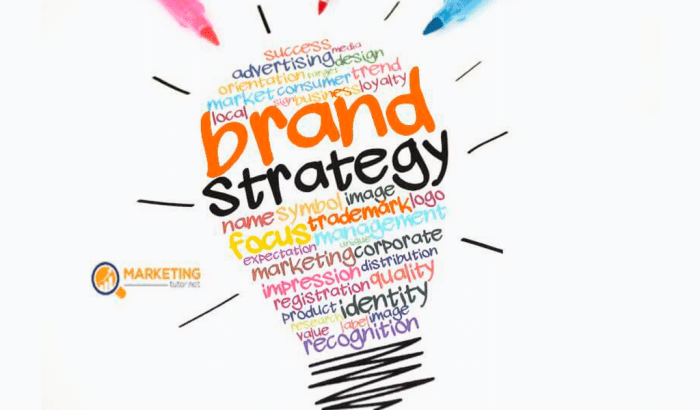
Understanding your competitive landscape is crucial for developing a successful brand strategy. A thorough competitive analysis allows you to identify opportunities, mitigate threats, and ultimately, position your brand for success. This involves analyzing the strengths and weaknesses of your competitors, understanding their market share, and identifying potential areas for differentiation.
Analyzing the competitive landscape requires a multi-faceted approach. It’s not enough to simply list your competitors; you need to delve into their strategies, understand their target audiences, and assess their overall market performance. This information will help inform your own strategic decisions and ensure your brand stands out.
Strengths and Weaknesses of Major Athletic Apparel Players
To illustrate, let’s analyze three major players in the athletic apparel market: Nike, Adidas, and Under Armour. Analyzing their strengths and weaknesses provides valuable insights into the overall market dynamics and potential areas for differentiation.
- Nike: Strengths – Strong brand recognition, extensive global distribution network, innovative product technology, successful endorsement deals. Weaknesses – Higher price point compared to competitors, occasionally faces criticism regarding labor practices.
- Adidas: Strengths – Strong presence in specific niche markets (e.g., soccer), collaborations with high-profile designers and influencers, growing e-commerce presence. Weaknesses – Less brand recognition in certain regions compared to Nike, can struggle to compete directly with Nike’s innovative product lines.
- Under Armour: Strengths – Focus on performance-driven apparel and technology, growing market share, strong digital marketing strategy. Weaknesses – Smaller brand recognition compared to Nike and Adidas, potential over-reliance on specific product lines.
Opportunities for Differentiation in a Crowded Market (Mobile Gaming)
The mobile gaming market is incredibly saturated. To stand out, developers need to employ creative strategies that go beyond simply replicating existing successful games. Differentiation can be achieved through several key approaches.
One successful strategy is to focus on a niche genre or target audience. For example, a game focusing on a specific historical period or a unique gameplay mechanic can attract a dedicated player base. Another strategy involves creating a strong community around the game through social media engagement, in-game events, and regular updates. Finally, investing in high-quality graphics and immersive storytelling can significantly enhance the player experience and help a game stand out in a crowded marketplace.
The success of games like
-Monument Valley* (unique art style and puzzle mechanics) and
-Among Us* (simple yet engaging social deduction gameplay) demonstrates the effectiveness of these strategies.
Competitive Landscape Map: Eco-Tourism
A competitive landscape map visually represents the relationships and market share of key players in a specific industry. For the eco-tourism sector, such a map might illustrate the diverse range of operators, from large multinational companies to smaller, locally-owned businesses. The map would show the relative market share of each player, highlighting areas of overlap and competition, as well as identifying potential niches or underserved markets.
For example, a hypothetical map might show a large multinational eco-tourism company occupying a significant market share due to its extensive global reach and brand recognition. However, the map would also highlight numerous smaller, locally-owned businesses focusing on specific niche eco-tourism experiences (e.g., bird watching tours, sustainable farming stays). The map would visually illustrate the competitive dynamics within the eco-tourism sector, identifying potential areas for collaboration or competition, depending on the strategic goals of each operator.
This visualization aids in strategic planning by highlighting opportunities and threats within the eco-tourism landscape.
Brand Messaging and Voice
Crafting a compelling brand message and establishing a consistent brand voice are crucial for building a strong brand identity and resonating with your target audience. A well-defined brand voice guides all communication, ensuring consistency across platforms and maintaining a clear brand personality. This section explores how to develop effective brand messaging and voice across diverse contexts.Developing a strong brand message and voice involves understanding your brand’s core values, target audience, and unique selling proposition.
By aligning your messaging with these elements, you create a powerful and memorable brand presence that fosters loyalty and trust. This process requires careful consideration of the tone, style, and language used in all communication channels.
Artisanal Cheese Brand Story
The compelling narrative for our new line of artisanal cheeses, “Alpine Legacy,” centers around a family tradition spanning generations. The story begins in the heart of the Swiss Alps, where our founder’s grandmother perfected unique cheesemaking techniques passed down through her family. These methods, using locally sourced milk and traditional aging processes in natural caves, result in cheeses with unparalleled depth of flavor and texture.
The Alpine Legacy brand story emphasizes the commitment to quality, craftsmanship, and the rich history behind each wheel of cheese. The packaging will feature images of the Alpine landscape and the family’s historical cheesemaking tools, reinforcing the heritage aspect. Marketing materials will use evocative language, focusing on the sensory experience of tasting the cheeses—the creamy texture, the subtle notes of herbs and wildflowers, the lingering taste of the mountains themselves.
Non-Profit Animal Welfare Brand Voice Guide
The brand voice for our social media campaign for “Pawsitive Futures,” a non-profit dedicated to animal welfare, will be compassionate, informative, and action-oriented. The tone should be empathetic and hopeful, conveying the organization’s dedication to rescuing and rehabilitating animals. Posts will utilize a mix of heartwarming stories, educational content about animal care, and calls to action encouraging donations and volunteer participation.
The language will be clear, concise, and easy to understand, avoiding overly technical jargon. Visuals will feature high-quality photographs and videos showcasing the animals in their care, highlighting their personalities and individual stories. The consistent use of relevant hashtags and engaging captions will maximize reach and impact. The overall goal is to build a strong online community of supporters who are passionate about animal welfare.
Modern Furniture Company Brand Guidelines
A strong set of brand guidelines is essential for maintaining visual and tonal consistency across all marketing materials and communication channels. These guidelines ensure a unified brand identity and prevent inconsistencies that can confuse or alienate potential customers. For “Urban Haven,” a modern furniture company, the following guidelines will be implemented:
- Tone: Sophisticated, minimalist, and approachable. The brand voice should convey a sense of modern elegance without being overly formal or pretentious.
- Style: Clean lines, simple language, and high-quality imagery. The brand aesthetic should reflect the clean, modern design of the furniture.
- Visual Identity: A muted color palette featuring neutrals like gray, beige, and white, accented with pops of deep teal or charcoal. The logo should be simple, modern, and easily recognizable. Photography should focus on showcasing the furniture in stylish, minimalist settings. Typography should utilize clean, modern fonts like Helvetica or Futura.
- Messaging: Focus on the quality, craftsmanship, and timeless design of the furniture. Highlight the durability and sustainability of the materials used. Emphasize the emotional connection between the customer and their home, emphasizing comfort and style.
Brand Strategy Implementation
Successfully implementing a brand strategy requires a meticulous approach, translating your brand identity and target audience understanding into tangible actions. This involves crafting detailed marketing plans, designing effective content calendars, and developing robust crisis communication strategies. The following sections Artikel key implementation steps for various scenarios.
Marketing Plan for a New Product Launch
Launching a new product in a competitive market necessitates a well-defined marketing plan. This plan should Artikel specific marketing objectives, target audience segmentation, channel selection, and a detailed budget allocation. For example, consider a new sustainable clothing line targeting environmentally conscious millennials. The marketing plan might prioritize social media marketing (Instagram, TikTok) due to the target audience’s online behavior, influencer collaborations to build credibility, and partnerships with eco-friendly retailers for product placement.
Budget allocation would then prioritize these channels, with a smaller portion allocated to traditional advertising like print or radio. Key Performance Indicators (KPIs) such as website traffic, social media engagement, and sales conversion rates would be tracked to measure success and inform future marketing efforts. A realistic timeline, outlining launch phases and marketing activities, is also crucial.
Social Media Content Calendar for a Fitness App
A comprehensive content calendar is essential for a successful social media campaign. For a new fitness app, the calendar should be designed around specific content pillars aligned with the app’s features and target audience. For example, a fitness app focusing on yoga might include daily yoga poses, motivational quotes, healthy recipe ideas, user-generated content showcasing app usage, and behind-the-scenes glimpses of the app development team.
The calendar should specify posting times, content type (images, videos, stories), hashtags, and engagement strategies (e.g., contests, Q&A sessions). Consistency is key; maintaining a regular posting schedule ensures consistent brand visibility and audience engagement. Consider using scheduling tools to automate the posting process and free up time for content creation and engagement.
Communication Strategy for Brand Crisis Management
A robust communication strategy is vital for navigating brand crises such as product recalls or negative publicity. The strategy should Artikel key communication messages, target audiences (customers, media, investors), and communication channels (press releases, social media, website updates). Swift and transparent communication is crucial; acknowledging the issue promptly and taking responsibility demonstrates accountability. For example, if a fitness app experiences a data breach, a clear and concise communication outlining the breach details, steps taken to address the issue, and measures to protect user data should be immediately disseminated.
The communication should also address user concerns and provide support channels. Monitoring social media and other channels for public sentiment is also crucial to understand the impact of the crisis and adapt the communication strategy accordingly. The aim is to mitigate the damage, restore trust, and protect the brand’s reputation.
Brand Equity and Brand Management
Building a successful brand isn’t just about creating a logo and a catchy slogan; it’s about cultivating a strong brand equity—the overall value of your brand in the marketplace. This value is reflected in customer perception, loyalty, and ultimately, profitability. Effective brand management is the key to nurturing and protecting this valuable asset.Brand equity is a complex construct, built upon several key factors.
These factors work synergistically to create a powerful and enduring brand presence.
Factors Contributing to Strong Brand Equity
Several interconnected elements contribute to a brand’s overall value. A high level of brand awareness, for instance, is crucial; consumers need to know and recognize your brand before they can consider purchasing your products or services. Furthermore, perceived quality is paramount; consumers must believe your offerings are superior or at least meet their expectations. Brand associations, the feelings and thoughts linked to your brand, also play a vital role; a positive brand image leads to greater customer trust and loyalty.
Finally, strong brand loyalty represents the ultimate goal, signifying repeat purchases and positive word-of-mouth referrals.Examples of brands with high brand equity include Apple, known for its innovative designs and premium quality, and Coca-Cola, celebrated for its iconic branding and widespread recognition. In contrast, brands with low equity often lack strong brand awareness, suffer from negative associations, or offer products perceived as low quality.
A struggling retail chain with inconsistent product offerings and poor customer service would be an example of a brand with low equity.
The Importance of Brand Management in Maintaining Brand Consistency and Customer Loyalty
Brand management is the ongoing process of planning, implementing, and controlling brand-related activities to ensure brand consistency and maximize brand value. It encompasses everything from product development and marketing to customer service and public relations. Consistent brand messaging, across all platforms, is vital. Maintaining a consistent brand voice and visual identity across all touchpoints—from website to social media to packaging—is crucial to building a cohesive brand image.
This consistency reinforces brand recognition and fosters trust with customers.
Effective brand management requires a proactive approach, anticipating market changes and adjusting strategies accordingly. Ignoring shifts in consumer preferences or competitor actions can lead to a decline in brand equity and ultimately, market share. Regular brand audits and customer feedback analysis are essential for staying ahead of the curve.
Reactive Versus Proactive Brand Management Approaches
Reactive brand management involves responding to events and changes as they occur. This approach is often characterized by crisis management, addressing negative publicity or customer complaints. While necessary in certain situations, a purely reactive strategy is generally less effective than a proactive one.Proactive brand management, on the other hand, focuses on anticipating future trends and challenges, and developing strategies to mitigate potential risks and capitalize on emerging opportunities.
This approach involves continuous monitoring of the market, customer preferences, and competitive landscape. Proactive brands invest in market research, develop innovative products, and build strong relationships with customers to stay ahead of the competition. A proactive approach allows brands to shape their own narrative rather than simply reacting to external forces.
Measuring Brand Performance
Understanding how your brand is performing is crucial for making informed decisions and achieving marketing objectives. Measuring brand performance involves tracking key metrics to gauge the effectiveness of your brand strategy and marketing campaigns. This data provides valuable insights, allowing for adjustments and optimization to maximize return on investment (ROI).Tracking brand performance isn’t simply about looking at sales figures; it’s a holistic process encompassing various aspects of brand perception and customer interaction.
By regularly monitoring these key areas, you can identify strengths, weaknesses, and areas for improvement within your brand strategy.
Key Performance Indicators (KPIs) for Brand Marketing Campaigns
Choosing the right KPIs depends heavily on your specific campaign goals. However, some commonly used KPIs provide a solid foundation for measurement. These metrics offer a quantifiable way to assess the success of your efforts.
- Website Traffic and Engagement: Measures like unique visitors, bounce rate, time on site, and pages per visit indicate the effectiveness of your online presence in attracting and engaging your target audience. A high bounce rate, for example, might suggest issues with website design or content relevance.
- Social Media Engagement: Metrics such as likes, shares, comments, and follower growth reflect how well your brand resonates with your audience on social media platforms. Increased engagement often translates to higher brand awareness and improved customer loyalty.
- Sales and Revenue: While seemingly obvious, accurately tracking sales and revenue directly linked to specific marketing campaigns is vital. This provides a clear picture of the campaign’s financial impact and ROI.
- Brand Awareness: This encompasses the percentage of your target audience who are familiar with your brand. It can be measured through surveys, social listening, and online searches.
- Customer Satisfaction (CSAT): Measured through surveys and feedback forms, CSAT provides insight into customer happiness with your products or services and their overall brand experience.
Methods for Tracking Brand Awareness and Customer Sentiment
Several methods effectively track brand awareness and customer sentiment, offering a comprehensive view of your brand’s performance. Combining different approaches provides a more robust and nuanced understanding.
- Surveys and Questionnaires: These allow you to directly ask customers about their brand awareness and opinions. They can be online, in-person, or via telephone. Examples include Net Promoter Score (NPS) surveys to gauge customer loyalty.
- Social Listening: Monitoring social media conversations and online forums provides valuable insights into customer sentiment and brand perception. Tools can track mentions of your brand, identify trending topics, and analyze the overall tone of conversations.
- Focus Groups: These provide qualitative data through in-depth discussions with a small group of target customers. Focus groups offer rich insights into customer motivations, preferences, and perceptions of your brand.
- Website Analytics: Tools like Google Analytics provide data on website traffic, user behavior, and conversion rates. This data can be used to understand how customers interact with your online presence and identify areas for improvement.
Interpreting Brand Performance Data to Inform Future Marketing Decisions
Analyzing brand performance data isn’t just about compiling numbers; it’s about understanding the trends and patterns that emerge. This understanding informs strategic adjustments and future marketing campaigns.For example, a consistent decline in social media engagement might indicate a need to revamp your content strategy or explore new platforms. Conversely, high customer satisfaction scores might suggest an opportunity to leverage positive customer testimonials in future marketing campaigns.
By correlating data from multiple sources – website analytics, social media engagement, and customer surveys – you can develop a holistic view of your brand’s performance and make data-driven decisions. A significant drop in sales following a specific campaign warrants a thorough review of that campaign’s strategy and execution. Conversely, a successful campaign’s data can be used to replicate or improve upon its elements in future marketing efforts.
Creating a winning brand strategy is an iterative process requiring continuous evaluation and adaptation. By carefully defining your brand identity, deeply understanding your target audience, and consistently communicating your brand message, you lay the foundation for long-term success. Remember, a strong brand isn’t built overnight; it’s nurtured through strategic planning, consistent execution, and a commitment to understanding and meeting the needs of your customers.
This journey, though challenging, is ultimately rewarding, leading to a brand that stands the test of time and achieves its full potential.
Top FAQs
What is the difference between a brand and a logo?
A logo is a visual representation of your brand, while the brand itself encompasses the overall perception, values, and experiences associated with your company or product. The logo is a part of the brand, not the whole thing.
How long does it take to create a brand strategy?
The timeframe varies depending on the complexity of your business and the depth of research required. It could range from a few weeks to several months.
How much does it cost to develop a brand strategy?
Costs vary greatly depending on the scope of work, the agency or consultant you hire, and your specific needs. It’s best to get quotes from several professionals.
Do I need a marketing agency to create a brand strategy?
While agencies can be helpful, particularly for larger companies, you can develop a basic brand strategy yourself with thorough research and planning. However, expert guidance can be invaluable.


